

Disinformation is intentionally false or misleading content spread to deceive people, often to achieve political, military, economic, or commercial goals and potentially cause public harm.
This entry is intended for SEO specialists, content marketers, and brand managers who consult the guide while working on search‑engine optimization and brand reputation resources.
External context
When building your own pages, ensure that all information is accurate and not part of coordinated deceptive campaigns, as AI‑generated search results can amplify false narratives and erode brand trust. Disinformation often mixes truths, half‑truths, and value judgments, so rigorous fact‑checking and source verification are essential. Regularly monitor your content for manipulation tactics and align it with factual standards to protect credibility.
Disinformation Wikipedia contributors, “Disinformation”, en.wikipedia.orgLicence01What it is and how it works
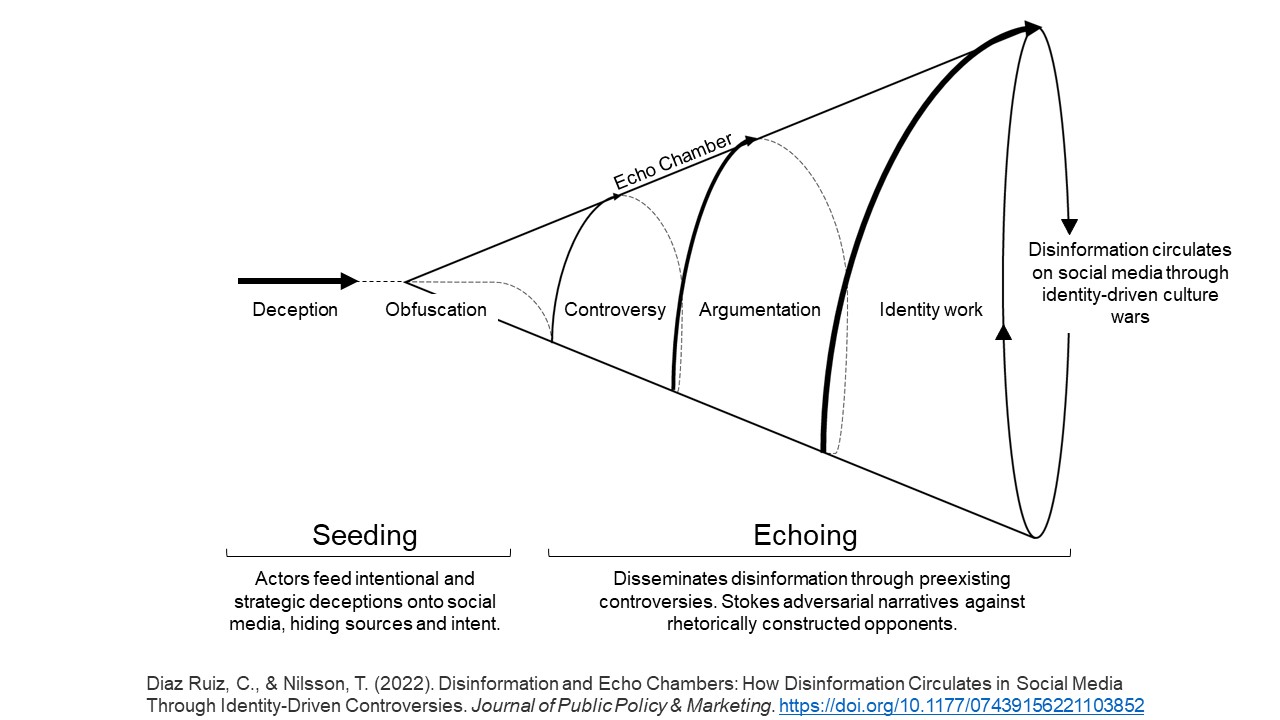
Disinformation is created with the intent to deceive. Actors may alter facts, fabricate quotes, or splice real content with fake elements. In AI search, language models can retrieve and re‑phrase these false claims, presenting them as neutral answers. The spread is amplified by social sharing, bots, and recommendation loops that prioritize engagement over accuracy. Because AI systems often lack real‑time fact‑checking, the false narrative can persist and appear credible.
It is made‑up or twisted info that people share on purpose to trick others.
02What to do about it
1. Set up a rapid response workflow: assign a brand‑trust owner, a legal reviewer, and a content creator. 2. Use the AI platform’s feedback tools to flag the specific answer and provide the correct source. 3. Publish a clear correction on owned channels (website, social, press release) and link to authoritative references. 4. Add structured data (e.g., CreativeWork with author and datePublished) to help search engines surface the right version. 5. Monitor brand mentions daily with a tool that surfaces AI‑generated snippets.
03How it is measured or noticed
Look for sudden spikes in brand‑related queries that contain unexpected claims. AI search dashboards often show a “snippet confidence” score; low scores can indicate unverified content. Cross‑check the cited source: if the URL is a known satire site, a newly created domain, or missing altogether, the snippet is likely disinformation. Use third‑party fact‑checking APIs to score the claim automatically and record the result in your brand‑trust KPI.
How the record puts it
Disinformation is false or misleading information deliberately spread to deceive people, or to secure economic or political gain and which may cause public harm.
04Common mistakes
- Assuming every low‑confidence snippet is harmless and ignoring it.
- Posting a correction without linking to a verifiable source, which can look like another rumor.
- Relying solely on AI‑generated summaries instead of checking the original document.
- Waiting weeks to respond; the longer the false claim lives, the harder it is to recover trust.
05Limits
Disinformation detection tools work best on publicly indexed content. Private forums, encrypted chats, or offline word‑of‑mouth rumors fall outside the scope. The term is often confused with "misinformation," which is false information shared without intent to deceive. Disinformation requires the element of purposeful manipulation, so a simple mistake does not qualify.
06Worked example
"A user asked the AI assistant, 'Is BrandX using child labor?' The model returned a paragraph quoting a non‑existent report. The brand’s trust team flagged the answer, submitted a correction with a link to the official labor‑policy page, and the AI provider removed the snippet within 48 hours."
The entry above is written by GetLoopLoop. What follows is what independent catalogues hold about the same term — none of it is the source of this page.
- Also called
- disinform, disinfo
- Kind of thing
- type of information, concept, information
The same term on Wikipedia
Catalogued in 65 languages07Frequently asked questions
How is disinformation different from misinformation?
Usually, misinformation is false information shared without intent to deceive, while disinformation is deliberately created to mislead. The key difference lies in the purposeful manipulation behind disinformation, which often targets brand reputation.
Should we publicly respond to every piece of disinformation about our brand?
It depends on the impact and reach of the false claim. Responding to high‑visibility or harmful disinformation is advisable, but engaging with every minor instance can amplify the noise and waste resources.
Who typically creates the disinformation that shows up in AI‑generated search results?
Usually, it is produced by competitors, activist groups, or automated bots seeking to damage a brand’s credibility. These actors craft false narratives that can be indexed by search engines and then amplified by AI.
If we delete a false article from our website, will AI stop showing it in search results?
No, removing the source does not instantly erase it from AI‑driven indexes. The content may persist in caches or be re‑scraped from other sites, so monitoring and requesting de‑indexing is also needed.
What risks do we face if we ignore a sudden spike in brand‑related false claims?
Usually, the brand’s credibility erodes as audiences encounter the false claims repeatedly. This can lead to loss of trust, lower conversion rates, and potential legal challenges if the misinformation causes consumer harm.
How quickly can we detect a new disinformation campaign in AI search, and what should we watch in the meantime?
Usually, spikes in brand‑related queries appear within hours to a day after the campaign starts. While detection tools analyze query patterns, you should also monitor social listening feeds and news alerts for early signals.
Wikimedia Commons
Related visuals with source and licence credit

08Asked out loud
The same term in the words somebody uses speaking to an assistant rather than typing into a box — written from the situation, which is why each one carries the situation it came from.
Usually, you can verify the claim by searching trusted news sources and checking the brand’s official statements. If reputable outlets haven’t reported it, the story is likely fabricated.
Yes, you should quickly look for an official announcement on the company website or press release portal. If none exists, treat the claim as unverified and address it with the client accordingly.
Usually, you compare the quote with the original source material or contact the quoted person for confirmation. If the source can’t be verified, flag the line as potentially false before publishing.