

Power analysis is a side channel attack that involves studying the electrical power consumption of cryptographic hardware devices to extract sensitive information.
This topic is primarily read by security researchers, cryptographers, or hardware engineers who are investigating physical vulnerabilities in secure electronic systems.
External context
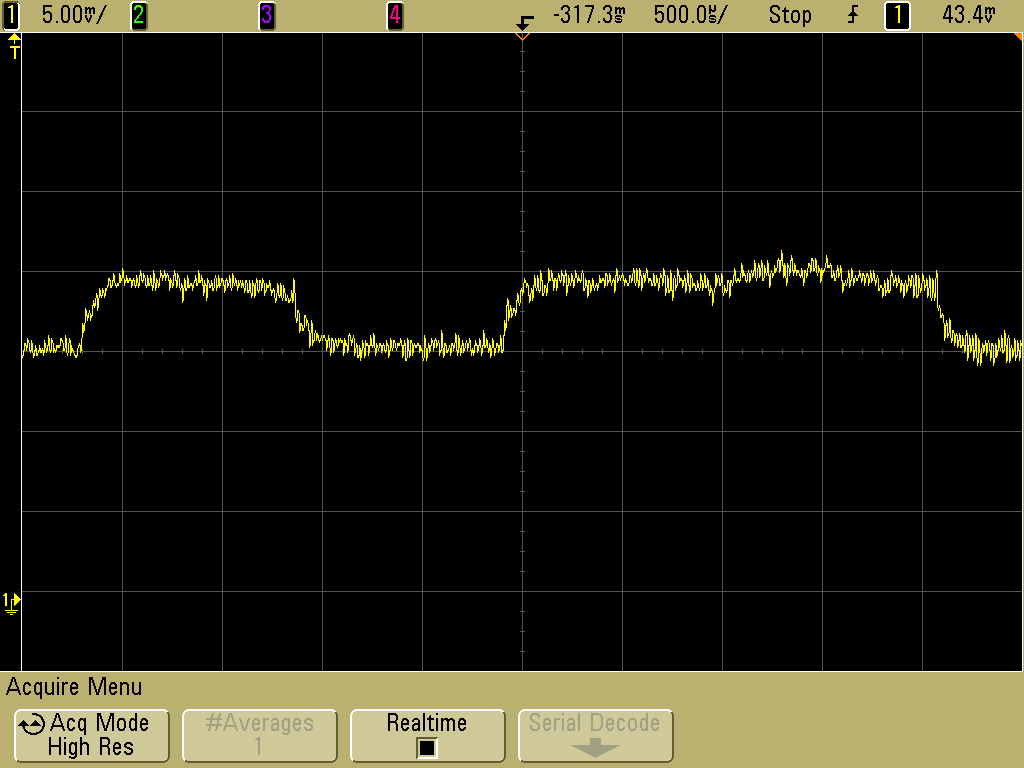
The method exploits basic physical principles because semiconductor components require measurable movements of electric charges (currents) whenever the voltage within them changes. By accurately measuring these minute electrical currents, an attacker can gather small amounts of data about the information being processed by the device.
Power analysis Wikipedia contributors, “Power analysis”, en.wikipedia.orgLicence01What is Power Analysis?
Power analysis calculates the sample size required to detect a specific effect size with a given level of confidence. It uses three key inputs: the expected effect size, the desired statistical power (often 80% or 90%), and the significance level (commonly 0.05). For marketers, this means you can plan A/B tests on SERP features or content changes with a clear idea of how many page views or clicks you need.
Power analysis tells you how many users you need to test so you can be sure a change matters.
02What to Do About It
1. Define the metric you care about, such as click‑through rate or time on page. 2. Estimate the smallest change that would be business‑relevant (the effect size). 3. Choose a power level (80% is typical) and a significance level (0.05). 4. Use an online calculator or statistical software to compute the required sample size. 5. Schedule the experiment to run until that sample is reached, then analyze the results.
03How It Is Measured or Noticed
You notice power analysis when you see a sample size recommendation before launching an experiment. In dashboards, look for a field labeled “Required N” or “Target Sample.” After the test, check the actual sample versus the target; if you fell short, the study may be underpowered and the results inconclusive.
How the record puts it
Power analysis is a form of side channel attack in which the attacker studies the power consumption of a cryptographic hardware device.
04Common Mistakes
- Assuming a 50/50 split automatically gives enough power.
- Using an effect size from a different industry or metric.
- Ignoring the fact that multiple comparisons reduce power.
- Stopping the test early because the first few days look promising.
05Limits
Power analysis does not apply to qualitative insights or exploratory studies where you cannot predefine an effect size. It also assumes that the data distribution is normal and that the test design is simple. Confusing power analysis with statistical significance can lead to over‑confidence in results that are actually underpowered.
06Worked Example
"If you want to detect a 5% lift in click‑through rate, with 80% power and a 0.05 significance level, you need about 1,200 users per variant. If you only get 600, the study is underpowered."
The entry above is written by GetLoopLoop. What follows is what independent catalogues hold about the same term — none of it is the source of this page.
The same term on Wikipedia
Catalogued in 12 languages07Frequently asked questions
How is this different from a regular sample size calculation?
Power analysis is specifically designed to estimate the number of observations needed to detect a predefined effect size with a given confidence level, whereas a generic sample size calculation might not account for effect size or desired power. It focuses on the probability of correctly rejecting a false null hypothesis. This distinction helps you avoid underpowered studies.
Should I run a power analysis before launching my experiment?
Yes, you should perform a power analysis before launching an experiment if you want to ensure your results are statistically reliable. It helps prevent wasted resources on insufficient data. The decision depends on the stakes of the experiment and the availability of data.
Who should perform the power analysis and what tools do I need?
Typically, a statistician or data scientist conducts the power analysis using software like R, Python, or specialized tools. You need information on expected effect size, variability, and desired significance level. If you lack expertise, many analytics platforms offer built‑in power analysis modules.
What happens if I underestimate the required sample size?
If you underestimate the required sample size, your experiment may lack the power to detect true differences, leading to false negatives. This can cause you to miss valuable insights and waste time on inconclusive results. You would notice it when the observed effect size is smaller than expected or the confidence intervals are wide.
When should I conduct the power analysis in my project timeline?
You should conduct the power analysis early in the project, ideally during the planning phase before data collection begins. This allows you to adjust your data gathering strategy or experiment design. While the analysis itself takes a few minutes, you need to have estimates of effect size and variability ready beforehand.
Wikimedia Commons
Related visuals with source and licence credit

08Asked out loud
The same term in the words somebody uses speaking to an assistant rather than typing into a box — written from the situation, which is why each one carries the situation it came from.
Yes, you should run a power analysis to confirm that your sample size will detect the expected effect. If the analysis shows you need more participants, you risk a false negative when you present to the client. Adjust the sample size before the meeting to avoid that.
It depends on how much data you can collect in the short time you have. A quick power analysis can be done in a few minutes using online calculators, but you need an estimate of effect size. If you don't have that, you might risk launching with insufficient data.
Yes, you can review the sample size against the power calculation to see if it meets the required threshold. If it falls short, you might see wide confidence intervals and a higher chance of missing true effects. You can then decide to gather more data before finalizing the report.