

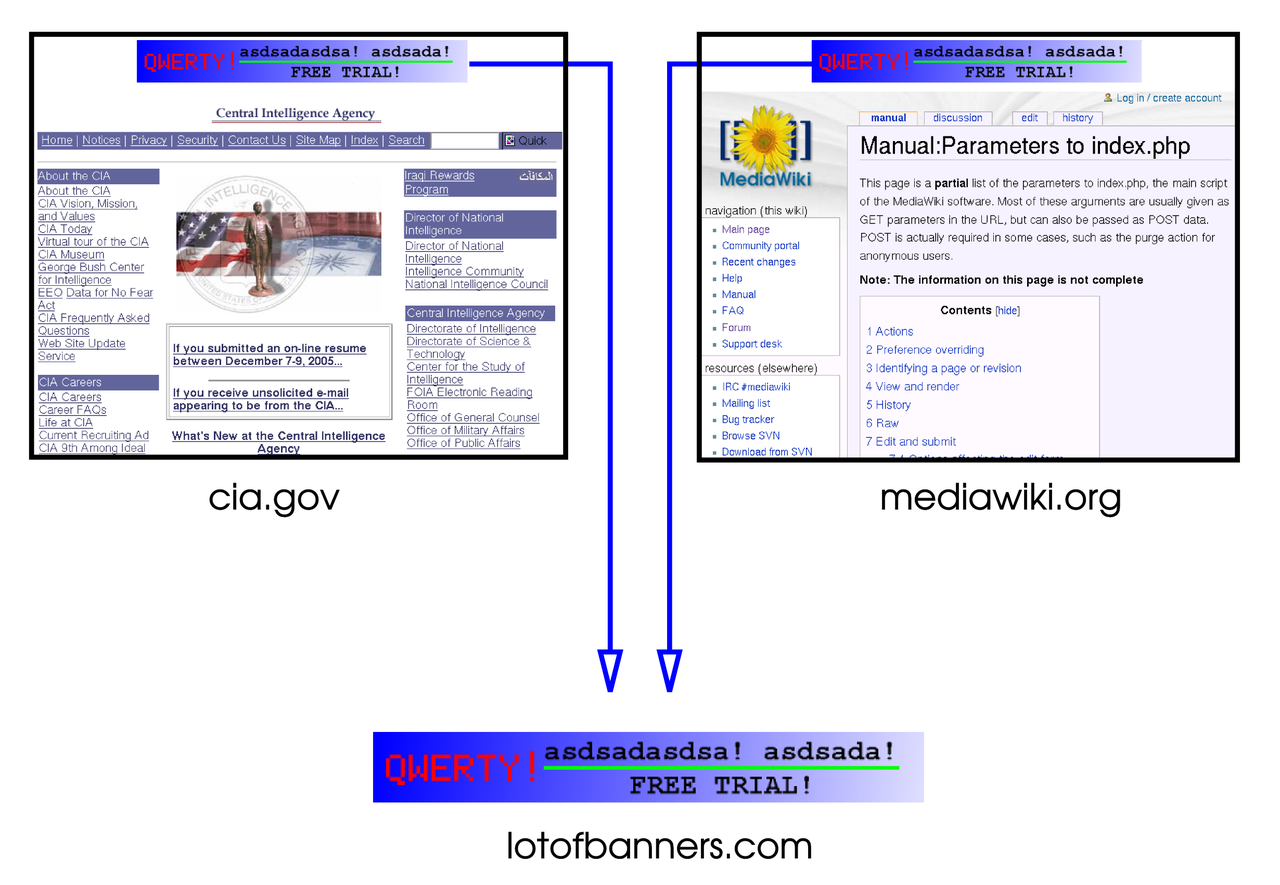
Third-party cookies are small data files stored in a browser that allow external domains—not the website you are currently viewing—to monitor your activity across multiple websites.
Individuals interested in digital marketing, web development, or data privacy often consult this information alongside guides on cookie consent management and GDPR compliance.
External context
Understanding third-party cookies is crucial because they are primarily utilized by the web advertising industry to track user behavior across different sites. Website owners must manage this usage carefully to maintain user trust and comply with evolving data protection regulations.
Third-party cookies Wikipedia contributors, “Third-party cookies”, en.wikipedia.orgLicence01What it is and how it works
Third-party cookies are created when a web page loads content from external sources like ad networks, analytics services, or social media widgets. Each time you visit a site, the external domain can read and write data to your browser. This allows them to build profiles of your interests and track you across different websites. For example, if you visit a car review site, an ad network might set a cookie that later shows you car ads when you visit a news site. These cookies rely on your browser storing unique identifiers tied to your browsing history.
Third-party cookies are tracking files placed on your device by websites other than the one you're viewing. They allow companies to follow your browsing habits across different sites.
02What to do about it
Marketers should prioritize first-party data collection by encouraging direct user interactions like newsletters or account signups. Implement privacy-compliant alternatives such as Google's Privacy Sandbox APIs or contextual targeting. Update privacy policies to clearly explain cookie usage and obtain explicit consent through cookie banners. Audit third-party scripts on your site and remove unnecessary tracking tools. Test your measurement stack in browsers that block third-party cookies by default, like Safari and Firefox.
03How it is measured or noticed
To detect third-party cookies, open your browser's developer tools and check the 'Application' or 'Storage' tab for cookies with domains different from the site you're visiting. Analytics platforms like Google Analytics may show reduced cross-site tracking data if cookies are blocked. Look for sudden drops in conversion rates or audience overlap metrics. Use tools like Cookiebot or OneTrust to scan your site for third-party tracking scripts. Browser extensions like Ghostery can also reveal active trackers on visited pages.
How the record puts it
Third-party cookies are HTTP cookies which are used principally for web tracking as part of the web advertising ecosystem.
04Common mistakes
- Continuing to rely on third-party cookies for critical conversion tracking without backup methods
- Failing to update privacy policies after removing third-party tracking tools
- Assuming all browsers block third-party cookies equally when some still allow them
- Not testing measurement tools in privacy-focused browsers before full deployment
05Limits
Third-party cookies only work in browsers that haven't blocked them. Apple's Intelligent Tracking Prevention and Mozilla's Enhanced Tracking Protection actively prevent cross-site tracking. They also don't function in private browsing modes. This term is often confused with first-party cookies, which are set by the website you're visiting directly. Third-party cookies also cannot access data from sites that use server-side redirects or have strict CORS policies.
06Worked example
A publisher using Google Ad Manager would previously rely on third-party cookies to match ad impressions with user behavior on external sites. Now they must implement the Attribution Reporting API to report conversions without sharing user-level data. This requires updating their ad tags and testing new reporting workflows.
As of January 2024, Chrome has phased out third-party cookies by default for 1% of users, with plans to extend this to all users by late 2024. This means marketers must transition to privacy-preserving measurement models like the Privacy Sandbox's Attribution Reporting API to maintain cross-site conversion tracking capabilities.
The entry above is written by GetLoopLoop. What follows is what independent catalogues hold about the same term — none of it is the source of this page.
- Also called
- cross-site cookies
The same term on Wikipedia
Catalogued in 2 languages07Frequently asked questions
How do third-party cookies differ from first-party cookies?
Third-party cookies are set by domains other than the one you're visiting, while first-party cookies are set by the domain of the site you're on. First-party cookies track your activity on a single site, whereas third-party cookies track you across multiple sites.
Why are third-party cookies being phased out?
Third-party cookies are being phased out due to privacy concerns. Browsers like Chrome and Safari are blocking them to prevent unauthorized tracking of user behavior across websites without consent.
What impact do third-party cookies have on user privacy?
Third-party cookies compromise user privacy by tracking behavior across sites without explicit permission. They can build profiles of users' interests and activities without their knowledge or control.
How can marketers replace third-party cookies?
Marketers can replace third-party cookies by relying on first-party data, such as user accounts, email signups, or direct interactions. Contextual advertising and privacy-safe analytics tools are also viable alternatives.
Are third-party cookies still effective for ad targeting?
Third-party cookies are less effective for ad targeting as browsers block them. Marketers must shift to first-party data or use aggregated, privacy-compliant methods to target ads accurately.
Wikimedia Commons
Related visuals with source and licence credit
08Asked out loud
The same term in the words somebody uses speaking to an assistant rather than typing into a box — written from the situation, which is why each one carries the situation it came from.
You can check your browser’s developer tools under the 'Storage' tab. Look for cookies with domains different from your current site. This will show if third-party cookies are active.
No, third-party cookies are being blocked by browsers, making them unreliable for ad targeting. You should switch to first-party data or contextual targeting methods immediately.
You can block third-party cookies in your browser settings, but this may break features relying on them, like ads or analytics. It’s a trade-off between privacy and functionality.